
Solar Loan ReliefSolar Loan Relief

How to Cancel or Get Out of a Solar Loan in Florida

Stuck in a Florida solar loan you regret? Between the state's 3-day cooling-off right, a rule that requires your salesperson to be permitted, and FDUTPA, Florida homeowners have more leverage than they realize. Here's how to use it.

Get a Free Case Review

Can you get out of a solar loan in Florida?

Often, yes. Whether you can cancel or dispute your loan turns on how it was sold and what you were told, and Florida gives you several overlapping tools: a cooling-off right to cancel, a requirement that in-home salespeople be permitted, and FDUTPA — which reaches deceptive sales even after the panels are installed. You don't need to know which one fits; a free review of your documents will tell you.

A Florida-specific edge: your in-home salesperson was required to hold a Home Solicitation Sale Permit (Fla. Stat. § 501.022). If they didn't, the sale is often voidable — even past the 3-day window.

Why Florida homeowners have leverage

  • A 3-day right to cancel. Under Florida's Home Solicitation Sales Act (§ 501.025), a sale over $25 made at your home can generally be cancelled within 3 business days — and if the seller didn't give proper written notice of that right, the clock may never have started.
  • The salesperson-permit rule. In-home sellers must be permitted (§ 501.022); an unpermitted sale is often voidable.
  • FDUTPA. Florida's Deceptive and Unfair Trade Practices Act (§ 501.204) bars unfair or deceptive practices and applies even after installation — the state's main post-install tool.
  • Licensing. Solar work requires a properly licensed contractor (DBPR / CILB); an unlicensed installer is a serious problem for the deal.

Grounds to cancel or dispute a Florida solar loan

A defective or missing cancellation notice

If your contract didn't clearly disclose your 3-day cancellation right, that window may still be open well past the original three days.

An unpermitted in-home salesperson

If the person who sold you the system lacked a county Home Solicitation Sale Permit, the sale is often voidable.

FDUTPA deceptive practices

Guaranteed-savings claims, a misrepresented tax credit, a disappearing bill, hidden fees, or high-pressure tactics can each support a FDUTPA claim — even after installation.

Hidden dealer fees & TILA violations

A large dealer fee baked into your financed amount without clear disclosure — the issue behind the lawsuits against GoodLeap, Mosaic, Sunlight, and Dividend — can support both a misrepresentation and a Truth in Lending Act claim.

An unlicensed contractor

If the company that installed your system wasn't properly licensed, that can undermine the contract.

A UCC-1 lien or an underperforming system

A lien blocking your sale or refinance, or a system that never produced what you were promised, can each support a dispute.
How to get out of your Florida solar loan

1

Gather your documents

Your loan agreement, the Truth in Lending disclosure, the sales contract, the cancellation notice (or proof there wasn't one), and any savings estimate.

2

Identify your grounds

Match your situation to the grounds above — cooling-off, the permit rule, FDUTPA, dealer fees, licensing. A free review confirms which are strongest.

3

Dispute and file complaints

Dispute in writing with your lender, and where warranted file with the Florida Attorney General, the DBPR (contractor), and the CFPB.

4

Escalate if needed

FDUTPA can award attorney's fees, which makes many Florida cases viable to escalate to a licensed attorney. We can help you understand your options and connect you with one.

Florida solar loan FAQ

Can I cancel a solar loan in Florida?

Often, yes. If your loan was sold at your home, Florida's Home Solicitation Sales Act (Fla. Stat. § 501.025) plus the federal Cooling-Off Rule generally gave you a 3-business-day right to cancel. Beyond that, the Florida Deceptive and Unfair Trade Practices Act (FDUTPA), misrepresentation, hidden dealer fees, and Truth in Lending Act violations can support cancelling or disputing the loan long after signing — even after the panels are on your roof.

How long is the cooling-off period in Florida?

Generally 3 business days for a sale of more than $25 made at your home. Crucially, the seller must give you a clear written notice of that right on the contract. If the notice was missing, buried in fine print, or never provided, the 3-day clock may never have validly started — which can leave your right to cancel open.

Did my Florida solar salesperson even have a permit?

It matters. Florida law (Fla. Stat. § 501.022) requires in-home salespeople to hold a valid Home Solicitation Sale Permit from the county Clerk of Circuit Court. A sale made by an unpermitted seller is often voidable — giving you leverage even if you're outside the standard 3-day window.

What is FDUTPA and how does it help?

The Florida Deceptive and Unfair Trade Practices Act (Fla. Stat. § 501.204) prohibits unfair, deceptive, or unconscionable business practices — and it applies even after installation. Representing energy savings as guaranteed, or the federal tax credit as certain when it depends on your tax liability, can be a deceptive practice under FDUTPA. It's Florida's main post-installation tool.

The solar company misrepresented my savings — is that grounds?

It can be. Inflated or 'guaranteed' savings, a disappearing electric bill, or a misrepresented tax credit used to induce the sale are exactly the kinds of claims FDUTPA and the cooling-off protections are built to address. Keep any texts, emails, or recordings from the salesperson.

Can I remove a solar UCC-1 lien on my Florida home?

Often, yes. Many solar lenders file a UCC-1 fixture filing that surfaces in title work and can block a sale or refinance. Where the underlying contract involved misrepresentation or a defective cancellation notice, that filing can frequently be challenged or cleared as part of resolving the dispute.

Do the big solar-lender lawsuits apply to me in Florida?

They can. GoodLeap, Mosaic, Sunlight Financial, and Dividend all lend heavily in Florida and are the subject of litigation over hidden dealer fees. Even if you're not part of a class, the same issues — undisclosed fees, misrepresentation — are grounds you can raise individually under Florida law.

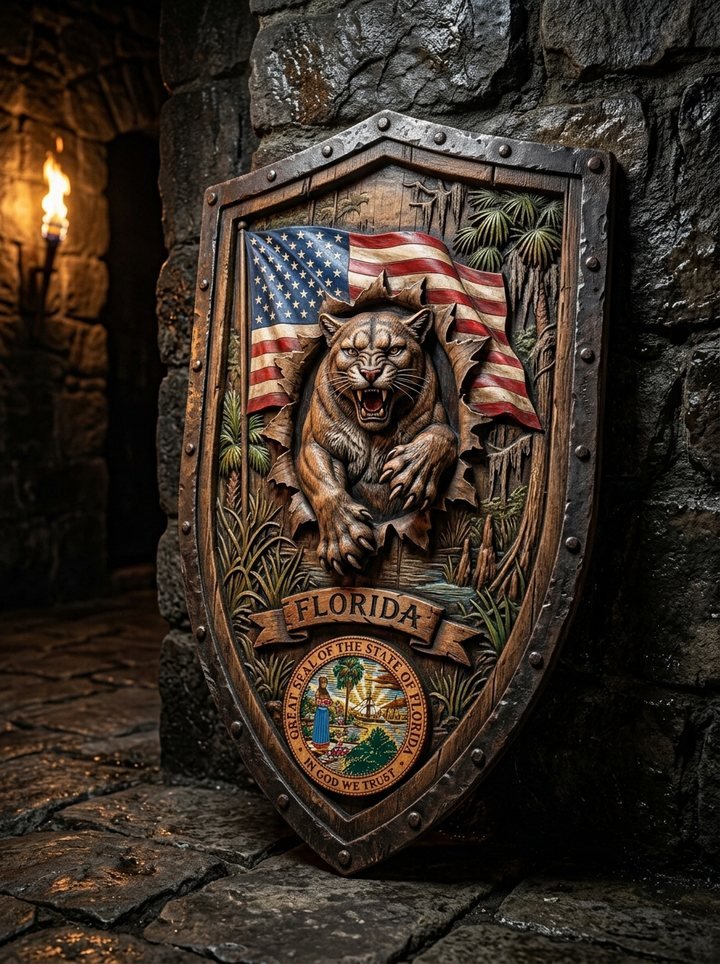
Carved Florida shield with the state and U.S. flags and a Florida panther

We fight for Florida homeowners

Florida arms you with a 3-day cooling-off right, a rule that requires your in-home salesperson to be permitted, and FDUTPA — and we help you use every one. No upfront fees. No pressure. Just a clear path out.

Get a Free Case Review

Free Florida Case Review

Tell us about your solar loan. We'll review it under Florida law and call you within 1 business day.

Keep reading

Florida resources: Florida Attorney General — consumer protection (myfloridalegal.com); Florida Dept. of Business & Professional Regulation (myfloridalicense.com). Key statutes: Home Solicitation Sales Act (Fla. Stat. § 501.025), salesperson permit (§ 501.022), FDUTPA (§ 501.204). This page is general information, not legal advice.